Respiratory Protection
Respiratory protection — disposable FFP masks, half and full face respirators, gas and particulate filters, and air-supplied equipment for industrial hazards.
- Disposable respirators
- FFP1, FFP2, FFP3 (EN 149 / IS 9473), with or without valve
- Reusable respirators
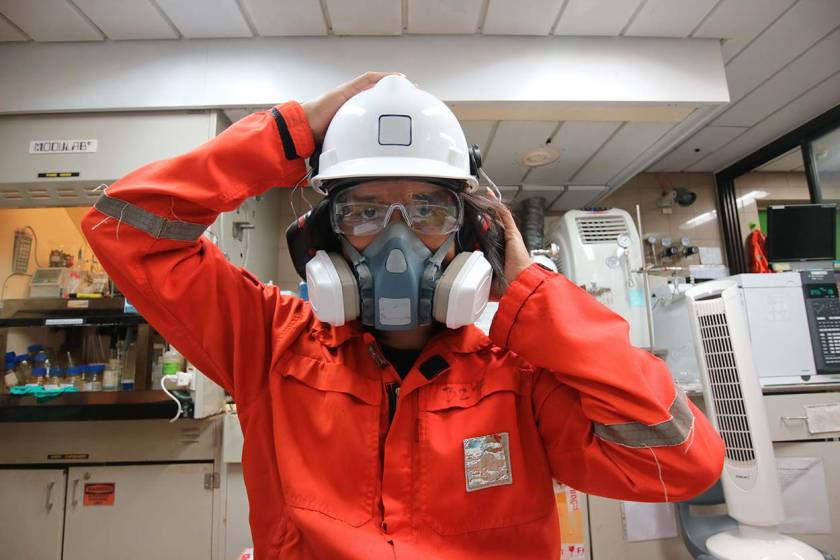
- Half-mask and full-face respirators
- Gas and vapour filters
- Types A, B, E, K and combination filters (EN 14387)
- Particulate filters
- P1, P2, P3 filters
- Advanced RPE
- Powered air-purifying respirators, airline and self-contained breathing apparatus
About Respiratory Protection
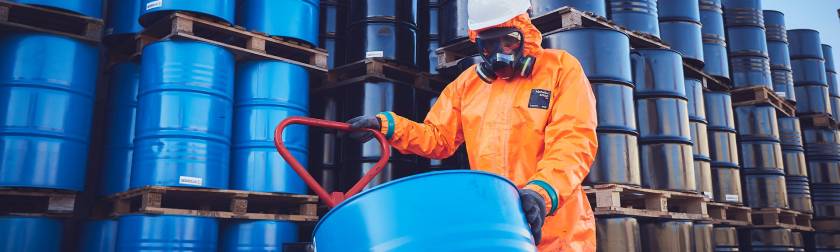
Respiratory protective equipment (RPE) protects workers from breathing in dust, fumes, mists, vapours and gases when engineering controls alone cannot bring exposure down far enough. The right respirator depends on what the contaminant is, how concentrated it is, whether oxygen levels are normal, and how long the worker will wear it.
Filtering facepieces (disposable dust masks) are classed FFP1, FFP2 and FFP3 under EN 149, with the equivalent Indian standard being IS 9473. They guard against particulates such as dust and welding fume. Reusable half-mask and full-face respirators take replaceable filters: particulate filters, gas and vapour cartridges colour-coded by contaminant type under EN 14387 (for example type A for organic vapours, B for inorganic gases, E for acid gases and K for ammonia), or combined filters. Full-face masks also protect the eyes. Powered air-purifying respirators and supplied-air or self-contained breathing apparatus are needed for higher concentrations, unknown atmospheres or oxygen-deficient spaces.
Fit matters as much as filter choice, so face-fit testing and training are recommended. Select RPE to match your site's risk assessment and exposure data, and Shlok Trading Co. can source masks, respirators and replacement filters to suit.
Respiratory Protection FAQs
What is the difference between FFP2 and FFP3 masks?
Both filter airborne particles. FFP3 has a higher minimum filtration efficiency and lower allowed leakage than FFP2, so it is used for more hazardous or finer particulates.
Do dust masks protect against gases and vapours?
No. Particulate masks only filter particles. Gases and vapours need a respirator fitted with the correct gas or vapour cartridge for that contaminant.
When is a supplied-air respirator needed?
Supplied-air or self-contained breathing apparatus is needed where oxygen may be deficient, where contaminant levels are very high or unknown, or where filter respirators are not suitable.
Need Respiratory Protection?
Share your grade, size and quantity requirements and our team will get back to you with availability and a quote.