Gas Detection
Gas detection equipment — portable single-gas and multi-gas detectors and fixed systems for oxygen, flammable (LEL), H2S, CO and other toxic gases.
- Detector types
- Portable single-gas, portable multi-gas, fixed point detectors
- Common gases
- O2, LEL (combustibles), H2S, CO; others such as NH3, Cl2, SO2, VOCs
- Sensor technologies
- Electrochemical, catalytic bead, infrared (NDIR), PID
- Alarms
- Audible, visual and vibration alarms with configurable set points
- Hazardous area rating
- Intrinsically safe / explosion-protected versions (IEC 60079 series)
- Accessories
- Calibration gas, bump test stations, sampling pumps, chargers
About Gas Detection
Gas detectors warn workers when the air around them becomes oxygen-deficient, flammable or toxic. These hazards are often invisible and odourless, so continuous monitoring is a core control for confined space entry, hot work, tank cleaning and process areas where leaks can occur.
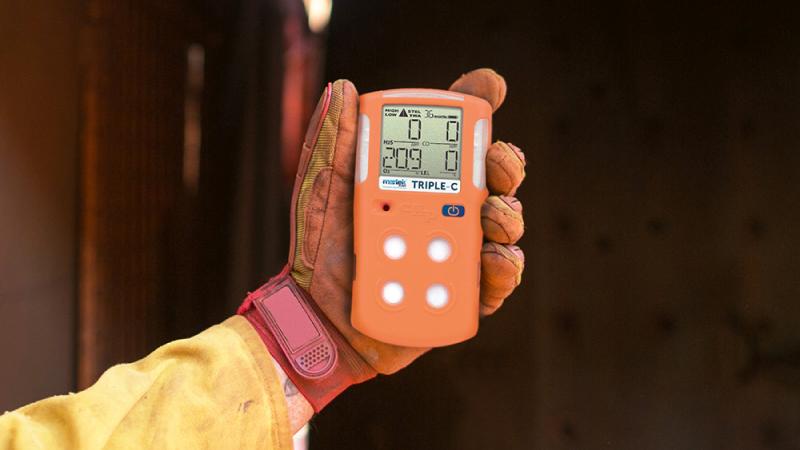
Portable detectors are worn or carried by the worker. Single-gas units monitor one hazard such as H2S or CO, while four-gas detectors typically cover oxygen, combustible gases as a percentage of the lower explosive limit (LEL), hydrogen sulphide and carbon monoxide. Fixed detection systems are installed permanently near likely leak points and connect to a controller that triggers alarms, ventilation or shutdown. Sensor technology varies by gas: catalytic bead or infrared for combustibles, electrochemical for oxygen and toxic gases, and PID for volatile organic compounds. Equipment used in hazardous areas should carry the appropriate intrinsic-safety or explosion-protection rating, commonly referenced to the IEC 60079 series.
Every detector needs regular bump testing and calibration to stay reliable. Match the gases, sensor ranges and certification to your site's risk assessment, and Shlok Trading Co. can help source detectors, calibration gas and accessories to that specification.
Gas Detection FAQs
What does a four-gas detector measure?
A typical four-gas detector measures oxygen, combustible gases as % LEL, hydrogen sulphide and carbon monoxide. Some models accept extra sensors for other toxic gases.
How often should a gas detector be bump tested?
Many manufacturers and safety guidelines recommend a bump test before each day's use, with full calibration at the interval the manufacturer specifies. Follow the instructions for the specific unit.
Do I need a portable or fixed gas detection system?
Portable detectors protect individual workers as they move around, especially in confined spaces. Fixed systems monitor specific areas continuously. Many sites use both, based on their risk assessment.
Need Gas Detection?
Share your grade, size and quantity requirements and our team will get back to you with availability and a quote.