Face Protection
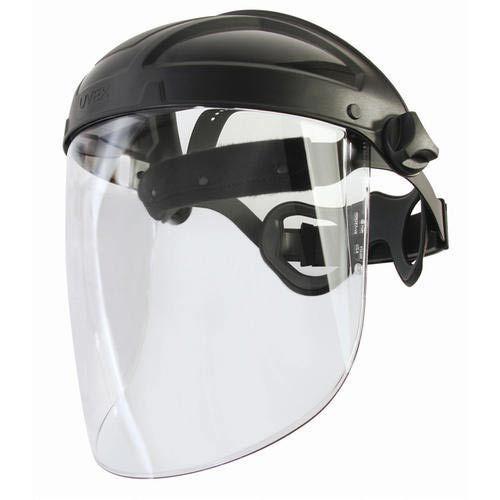
Face protection — polycarbonate face shields, visors, browguards, welding helmets and heat-resistant shields for impact, splash, heat and arc hazards.
- Face shields
- Polycarbonate and acetate visors on headgear or browguards
- Mounting
- Ratchet headgear, browguard, helmet-mounted carriers
- Welding protection
- Welding helmets and hand shields, fixed shade and auto-darkening filters
- Heat protection
- Gold-coated and mesh visors for radiant heat
- Standards
- EN 166 / ANSI Z87.1 (visors), EN 175 and EN 379 (welding)
About Face Protection
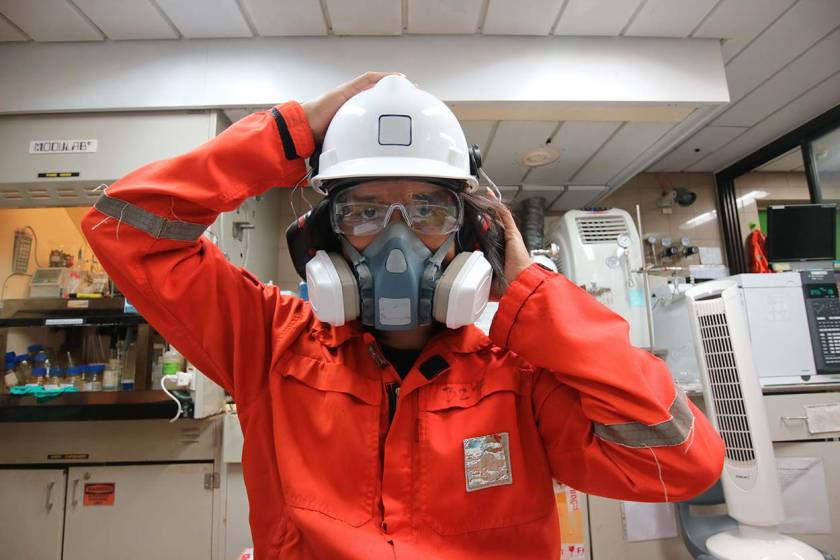
Face protection covers the whole face, not just the eyes, against flying debris, chemical splashes, molten metal and intense heat or light. It is often worn together with safety glasses or goggles, giving a secondary layer of protection where hazards are more severe.
Face shields use a clear visor, usually polycarbonate for impact resistance or acetate for better chemical resistance, mounted on a ratcheting headgear, a browguard or a helmet carrier. They protect against grinding sparks, chips and liquid splashes, and visors are typically tested to EN 166, with ANSI Z87.1 referenced in many specifications. Welding helmets and hand shields protect against spatter and harmful UV/IR radiation, using fixed shade filters or auto-darkening filters that switch shade when an arc strikes. Welding protection is commonly referenced to EN 175 for the helmet and EN 379 for auto-darkening filters. Heat-resistant gold-coated visors reflect radiant heat near furnaces, and arc-flash face shields form a separate category for electrical work.
Choose visor material, mounting and filter shade according to the tasks in your site's risk assessment. Shlok Trading Co. can source face shields, welding helmets and replacement visors.
Face Protection FAQs
Do I still need safety glasses under a face shield?
Generally yes. Face shields are considered secondary protection, so safety spectacles or goggles are normally worn underneath for primary eye protection.
What is the advantage of an auto-darkening welding helmet?
The filter stays light until the arc strikes, then darkens automatically. Welders can position work with the helmet down, which improves accuracy and reduces neck strain.
Which visor material is best for chemical splashes?
Acetate visors usually resist chemicals better, while polycarbonate offers higher impact resistance. Check compatibility with the specific chemicals you handle.
Need Face Protection?
Share your grade, size and quantity requirements and our team will get back to you with availability and a quote.