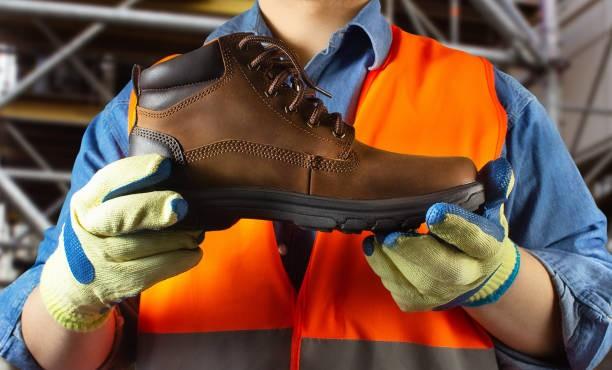
Feet Protection
Feet protection — safety shoes and boots with steel or composite toe caps, PU, nitrile and rubber soles, gumboots and specialist footwear for industry.
- Toe protection
- Steel or composite toe caps (200 J impact)
- Standards
- EN ISO 20345, IS 15298
- Protection classes
- SB, S1, S1P, S2, S3 and equivalents
- Sole materials
- Dual-density PU, PU/rubber, nitrile rubber, PVC
- Styles
- Low-ankle shoes, high-ankle boots, gumboots, slip-on and lace-up
- Special types
- Heat-resistant, electrical hazard, ESD/antistatic, metal-free
About Feet Protection
Safety footwear protects against crushing from falling objects, punctures from sharp debris, slips, chemical contact, heat and electrical hazards. Since workers spend full shifts on their feet, comfort and correct fit matter just as much as the protective rating.
The defining feature is a protective toe cap, either steel or a lighter non-metallic composite, tested to 200 joules of impact. Safety footwear is commonly certified to EN ISO 20345, and IS 15298 covers personal protective footwear in India. Additional properties carry their own markings: S1 adds an antistatic, energy-absorbing heel; S2 adds water penetration resistance; S3 adds a penetration-resistant midsole. Sole materials vary by environment. Dual-density PU is light and comfortable for general use. Nitrile rubber resists heat and oil for foundries and workshops. PVC or rubber gumboots suit wet, muddy and chemical areas. Options include high-ankle boots for support, metal-free designs, electrical hazard or ESD footwear, and slip-resistant outsoles.
Match toe protection, sole material and special properties to the hazards in your site's risk assessment. Shlok Trading Co. can source safety footwear across styles and full size runs for workforce orders.
Feet Protection FAQs
Is a steel toe or composite toe better?
Both provide the same impact rating. Composite toes are lighter, non-magnetic and don't conduct heat or cold, while steel toes are usually slimmer and more economical.
What does S3 mean on safety shoes?
S3 footwear has a protective toe cap, antistatic properties, an energy-absorbing heel, water penetration resistance, a cleated outsole and a penetration-resistant midsole.
Which sole is best for hot surfaces?
Nitrile rubber soles generally resist heat better than PU and are commonly used in foundries, welding areas and other hot environments.
Need Feet Protection?
Share your grade, size and quantity requirements and our team will get back to you with availability and a quote.