Body Protection
Body protection — chemical protective coveralls, disposable suits, aprons, aluminised and welding garments for chemical, heat and particle hazards.
- Chemical coveralls
- Type 3, 4, 5, 6 protective coveralls (EN 14605, EN ISO 13982-1, EN 13034)
- Disposable suits
- Microporous, SMS and laminated non-woven coveralls
- Reusable chemical wear
- PVC, neoprene and rubber suits, aprons and sleeves
- Heat protection
- Aluminised suits, jackets, aprons and hoods
- Welding protection
- Leather and FR jackets, aprons, sleeves
About Body Protection
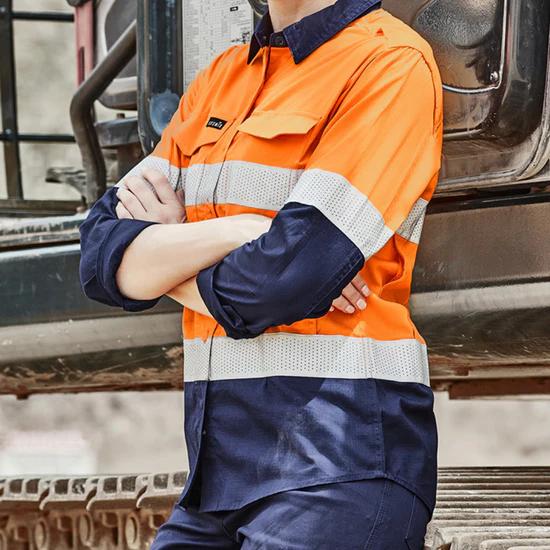
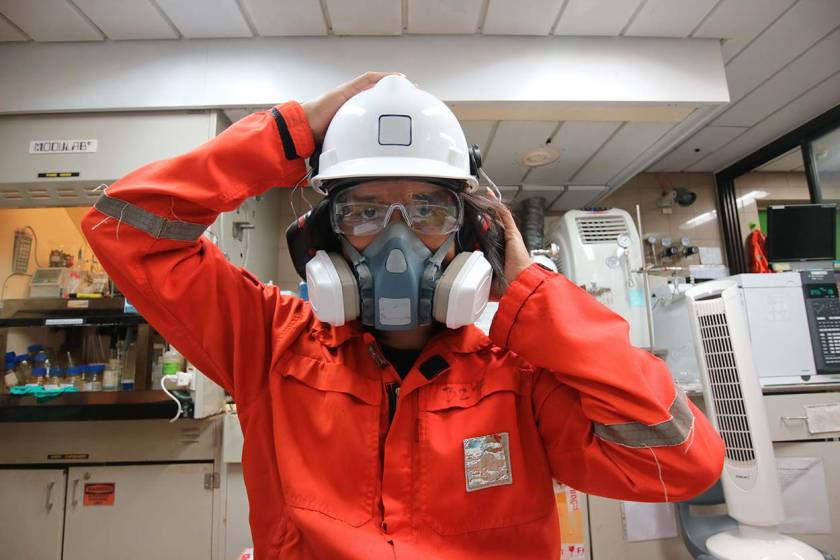
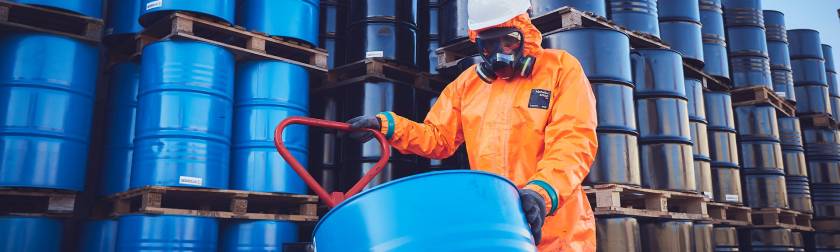
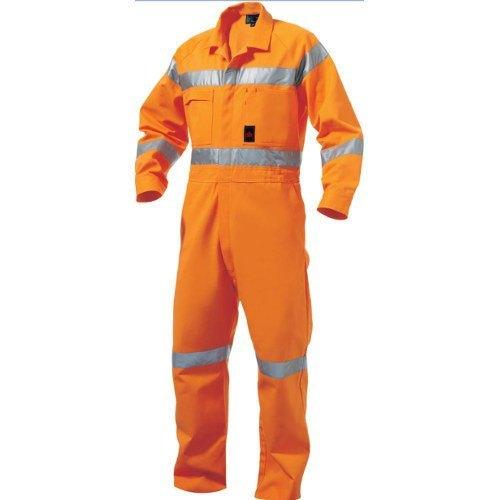
Body protection shields the torso, arms and legs from hazards that ordinary work wear can't handle: chemical splashes and sprays, hazardous dusts, radiant heat, molten metal splash and welding spatter. The right garment depends on what the hazard is and how it reaches the body.
Chemical protective clothing is classified by type under European standards. Type 3 (EN 14605) protects against liquid jets, Type 4 against sprays, Type 5 (EN ISO 13982-1) against hazardous dry particles and Type 6 (EN 13034) against light splashes. Disposable coveralls made from microporous film, SMS or similar non-wovens cover dust, paint and light chemical duties. Heavier reusable PVC, neoprene or rubber suits and aprons handle acids and aggressive chemicals. For heat, aluminised suits, jackets and aprons reflect radiant heat near furnaces and molten metal, while leather and FR welding jackets, sleeves and aprons protect against spatter. Fit, seam construction (stitched, bound or taped) and compatibility with gloves, boots and respirators all affect real-world protection.
Select body protection to match the chemicals, heat sources and tasks identified in your site's risk assessment. Shlok Trading Co. can source disposable and reusable garments in sizes and quantities for your teams.
Body Protection FAQs
What do Type 5 and Type 6 coveralls protect against?
Type 5 protects against hazardous airborne dry particles. Type 6 protects against light liquid splashes. Many disposable coveralls are rated for both.
When do I need aluminised protective clothing?
Aluminised garments are used where workers face high radiant heat, such as near furnaces, molten metal or kilns, because the reflective surface throws back much of the heat.
Are disposable coveralls suitable for chemical work?
Some are, for limited splash or spray exposure, depending on their type rating and the chemical's permeation data. For aggressive chemicals or jets, heavier Type 3 or Type 4 suits are typically needed.
Need Body Protection?
Share your grade, size and quantity requirements and our team will get back to you with availability and a quote.