Silicone Gaskets
Silicone gaskets, sheets, cords and extruded profiles for −60°C to 200°C+ service — solid and sponge grades, including food-grade compounds, cut to size.
- Material
- Silicone rubber (VMQ), solid or closed-cell sponge
- Temperature range
- Approx. −60°C to +200°C (higher with special grades)
- Hardness
- Commonly 40–80 Shore A
- Forms
- Sheets, cut gaskets, cords, extruded profiles, moulded seals
- Colours
- Translucent, white, red, grey, black and others
- Food contact
- Compounds to FDA 21 CFR 177.2600 available
About Silicone Gaskets
Silicone rubber (VMQ) keeps its flexibility across a wider temperature range than almost any other common elastomer — typically from about −60°C up to 200°C, with special compounds going higher. It also resists ozone, UV and weathering, and is physiologically inert, which makes silicone gaskets a frequent choice for ovens, lighting enclosures, food equipment and outdoor cabinets.
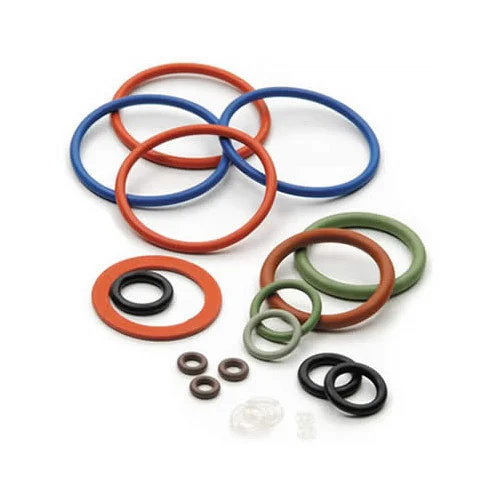
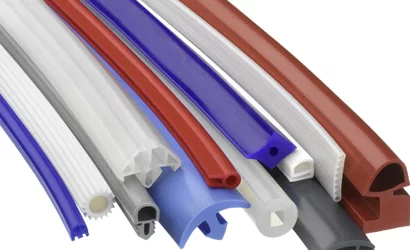
Silicone gaskets are produced as die-cut or water-jet-cut gaskets from sheet, extruded cords and profiles (round, square, D, P and U sections), moulded seals, and closed-cell sponge for low-compression-force enclosure sealing. Hardness commonly ranges from 40 to 80 Shore A. Food-contact compounds formulated to FDA 21 CFR 177.2600 are available for food and pharmaceutical use. Silicone has relatively low tear strength and poor resistance to steam at high pressure and to many petroleum oils and fuels, so for dynamic or oil-wetted seals another elastomer such as FKM or NBR is usually a better fit.
Shlok Trading Co. supplies silicone sheets, cords and gaskets cut or extruded to your profile. Share the dimensions, hardness and operating environment, and we will source accordingly.
Silicone Gaskets FAQs
Are silicone gaskets suitable for oil service?
Generally not. Silicone swells in many mineral oils and fuels; FKM or NBR gaskets are usually better suited to oil-wetted applications.
What is the difference between solid and sponge silicone?
Solid silicone is used for pressure and fluid sealing. Closed-cell sponge compresses easily and is used to seal doors and enclosures against dust and water with low closing force.
Can you supply food-grade silicone?
Yes. Food-contact silicone compounds can be sourced for food, beverage and pharmaceutical equipment.
Need Silicone Gaskets?
Share your grade, size and quantity requirements and our team will get back to you with availability and a quote.