All types of Industrial Sealants
Industrial sealants — silicone, polyurethane, anaerobic, RTV gasket makers, epoxy and fire-rated grades for joints, flanges, threads and construction.
- Chemistries
- Silicone, polyurethane, MS polymer, anaerobic, RTV, epoxy, butyl, acrylic
- Special grades
- Fire-rated / intumescent, high-temperature, food-safe
- Pack sizes
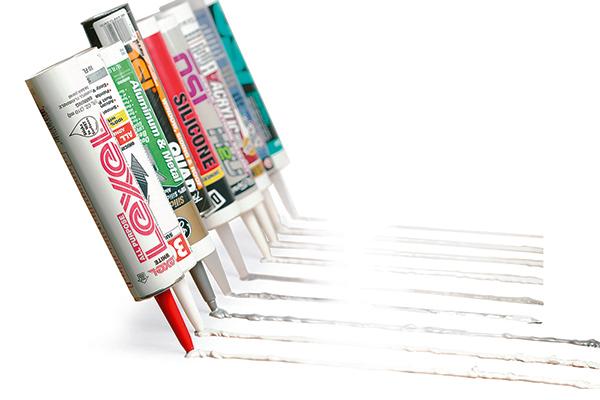
- Tubes, cartridges, sausages, bulk containers
- Classification standards
- ISO 11600, ASTM C920 (building joint sealants)
- Typical service temperature
- Approx. −50°C to +250°C depending on chemistry
About All types of Industrial Sealants
Industrial sealants fill gaps and joints to keep out air, water, dust and chemicals, or to hold pressure in threaded and flanged connections. Getting the chemistry right for the substrate, movement, temperature and medium is what separates a seal that lasts from one that fails early.
Silicone sealants offer flexibility and weather and temperature resistance for glazing, enclosures and expansion joints. Polyurethane sealants bond strongly and are paintable, making them common in construction and vehicle-body joints. Anaerobic sealants cure in the absence of air between metal surfaces and are used as threadlockers, thread sealants, retaining compounds and form-in-place flange gaskets. RTV silicone gasket makers replace cut gaskets on pumps, gearboxes and covers. Epoxy compounds repair and seal rigid joints, butyl and acrylic sealants serve general building use, and intumescent or fire-rated sealants seal service penetrations. Building joint sealants are classified to ISO 11600 and ASTM C920 by movement capability, and joint depth-to-width ratio and surface preparation strongly affect performance.
Shlok Trading Co. sources sealants in cartridges, tubes, sausages and bulk packs for maintenance and project use. Describe the joint, materials and service conditions, and we will help narrow down the right product.
All types of Industrial Sealants FAQs
What is an anaerobic sealant?
It is a liquid that stays fluid in air but cures when confined between metal surfaces. It is used to lock and seal threads, retain bearings, and form flange gaskets.
Can a sealant replace a cut gasket?
On many rigid, machined flanges, yes — anaerobic or RTV gasket makers are designed for this. Flexible or widely gapped joints still usually need a cut gasket.
Which sealant is paintable?
Polyurethane, MS polymer and acrylic sealants are generally paintable; standard silicone sealants are not.
Need All types of Industrial Sealants?
Share your grade, size and quantity requirements and our team will get back to you with availability and a quote.