Titanium Grade Materials
Titanium grade materials — commercially pure Grade 1 and 2 and alloy Grade 5 (Ti-6Al-4V) in sheet, plate, bar, pipe and fasteners for corrosive duty.
- Common grades
- Grade 1, Grade 2, Grade 5 (Ti-6Al-4V), Grade 7, Grade 12
- Product forms
- Sheet, plate, bar, rod, wire, tube, pipe, fasteners
- Sheet and plate
- ASTM B265
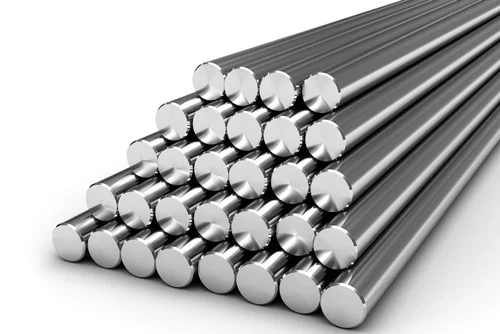
- Bars and billets
- ASTM B348
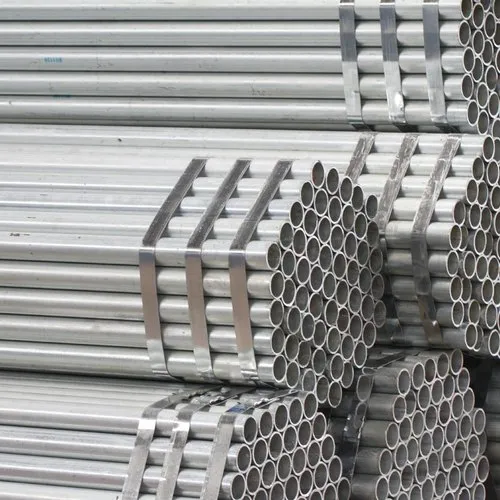
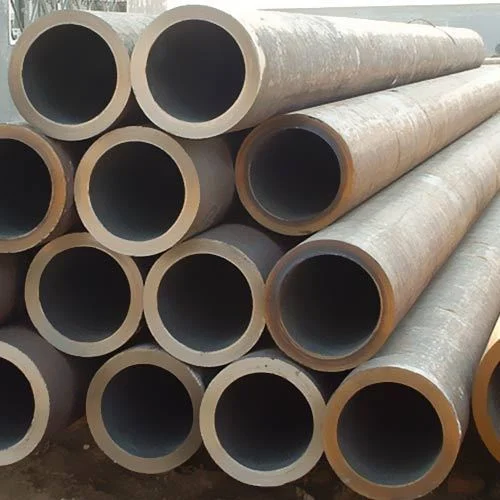
- Tubes and pipes
- ASTM B338, B861, B862
About Titanium Grade Materials
Titanium combines high strength with low density (roughly 60% of the weight of steel) and outstanding corrosion resistance, especially in seawater, chlorides and many oxidising chemicals. That makes it a strong candidate for components where stainless steel corrodes too quickly or where weight is critical.
Commercially pure grades are the workhorses for corrosion service. Grade 1 is the softest and most formable, and Grade 2 balances strength and formability and is the most widely used for heat exchangers, piping and chemical plant. Grade 5, the Ti-6Al-4V alloy, is much stronger and is used for high-stress parts, fasteners and aerospace-type components. Grade 7 and Grade 12 add small amounts of other elements for better resistance in reducing acids and hot brines. Product forms are covered by ASTM specifications, including B265 for sheet, strip and plate, B348 for bars and billets, B338 for heat-exchanger and condenser tubes, and B861/B862 for pipe.
Specify the grade, product form, dimensions and any certification required. Shlok Trading Co. can source titanium materials to suit fabrication, maintenance or replacement work.
Titanium Grade Materials FAQs
What is the difference between Grade 2 and Grade 5 titanium?
Grade 2 is commercially pure titanium, chosen mainly for corrosion resistance and formability. Grade 5 (Ti-6Al-4V) is an alloy with much higher strength, used where mechanical load is the main concern.
Is titanium better than stainless steel for corrosion resistance?
In seawater, chloride-rich and many oxidising environments, titanium generally performs much better than common stainless grades. Compatibility should still be checked for each specific chemical, since some reducing acids can attack it.
Can titanium be welded?
Yes, but the weld and the hot metal around it must be shielded from air with inert gas. Otherwise the joint picks up contamination and becomes brittle.
Need Titanium Grade Materials?
Share your grade, size and quantity requirements and our team will get back to you with availability and a quote.