All types of Felt
Industrial felt in all types — pressed wool, needle-punched synthetic and technical felts in sheets, rolls, strips and die-cut parts for sealing and padding.
- Felt types
- Pressed wool, needle-punched polyester, polypropylene, high-temperature technical felts
- Wool grading
- Commonly specified by SAE grades (e.g. F-1 hard to softer grades) or density
- Thickness range
- Typically from about 1 mm to 25 mm and above
- Supply forms
- Sheets, rolls, strips, washers, die-cut parts
- Options
- Plain or adhesive-backed
About All types of Felt
Industrial felt is a non-woven textile made by matting fibres together, either by pressing wool with heat, moisture and pressure or by needle-punching synthetic fibres. Its structure lets it hold oil, absorb vibration and sound, polish surfaces, filter fluids and act as a soft seal or wiper, which is why it turns up in machinery of almost every kind.
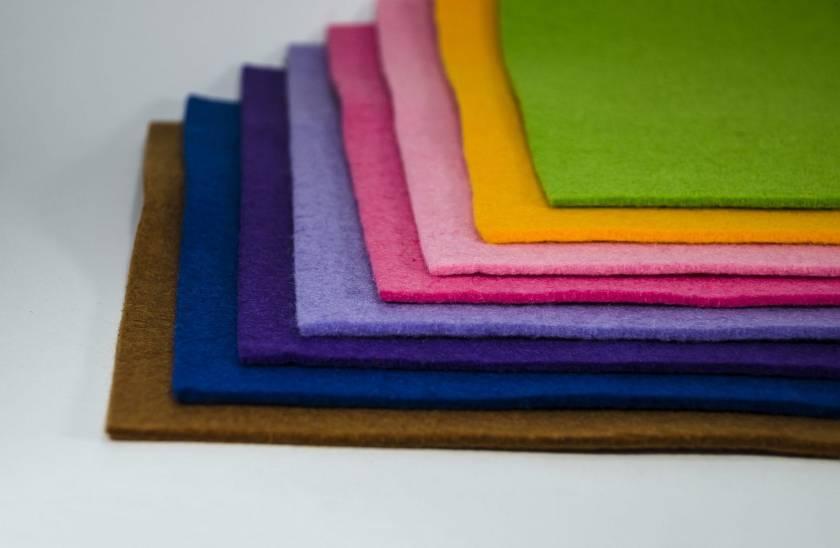
Pressed wool felt is graded by density and fibre content. SAE grades such as F-1 (hard and dense) through softer, lighter grades are often used to specify it for wicks, seals and wipers. Needle-punched polyester, polypropylene and other synthetic felts offer chemical resistance and consistent properties for filtration, padding and insulation. Specialist felts such as aramid or other high-temperature fibres cover heat-resistant duties. Felt is supplied in sheets and rolls by thickness, or converted into strips, washers, gaskets and die-cut shapes, with or without an adhesive backing.
Tell us the felt type or grade, thickness, density, size or drawing, and whether you need an adhesive backing. Shlok Trading Co. will source the right material for the job.
All types of Felt FAQs
What is the difference between wool felt and synthetic felt?
Wool felt is resilient and holds oil well, so it is widely used for wicks, seals and polishing. Synthetic needle felt offers better chemical and moisture resistance and more uniform properties for filtration and padding.
Can felt be supplied as cut parts?
Yes. Felt can be converted into strips, washers, gaskets and custom die-cut shapes to a drawing or sample.
How is wool felt hardness specified?
It is usually specified by density or by SAE grade. Harder grades such as F-1 are used for seals and polishing, and softer grades for padding and cushioning.
Need All types of Felt?
Share your grade, size and quantity requirements and our team will get back to you with availability and a quote.