High Density Springs
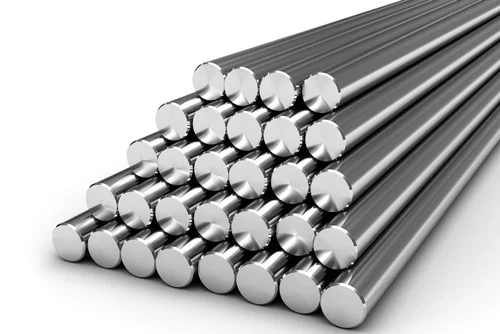
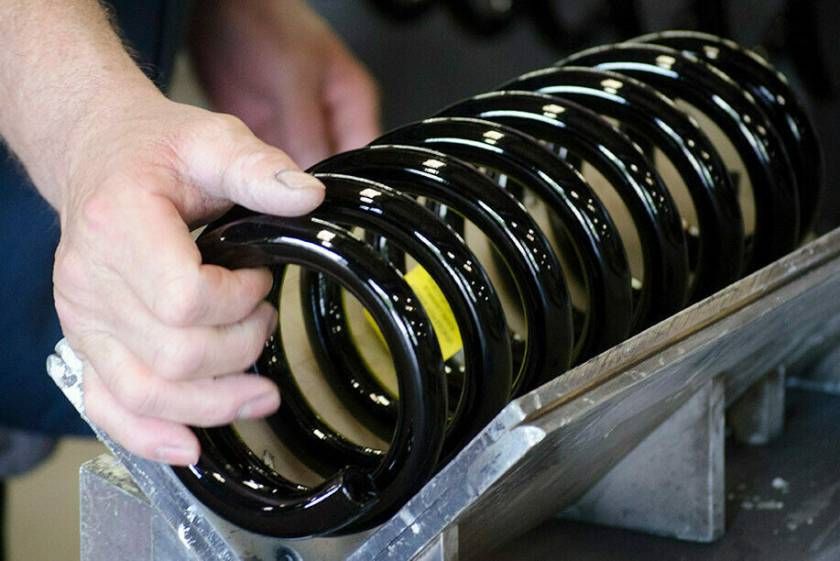
High density springs — compression, extension, torsion and die springs in spring steel, alloy and stainless grades, sourced to drawing or sample.
- Spring types
- Compression, extension, torsion, die springs, disc (Belleville) springs
- Materials
- Carbon spring steel, oil-tempered wire, chrome-silicon, chrome-vanadium, stainless 302/316, 17-7 PH
- Wire section
- Round and rectangular wire
- End types
- Closed and ground, closed, open; hooks or loops for extension springs
- Finishes
- Oiled, zinc plated, powder coated, shot peened
- Supply basis
- Standard sizes, or custom to drawing or sample
About High Density Springs
Springs store and release mechanical energy to return parts to position, absorb shock, keep components in contact or hold a set force. In industrial equipment they are found in valves, clutches, press tools, vibrating screens and countless mechanisms, often running through millions of cycles under load.
Compression springs resist being pushed together. Extension springs resist being pulled apart and carry hooks or loops at each end. Torsion springs apply rotational force, and die springs are heavy-duty rectangular-wire compression springs built for press tools and moulds, usually colour-coded by load rating. Disc (Belleville) springs give high force in a very short travel. Material choice drives performance: hard-drawn and oil-tempered carbon spring steel for general use, chrome-silicon and chrome-vanadium alloys for high stress and elevated temperature, and stainless grades such as 302 and 17-7 PH where corrosion resistance is needed. Indian spring wire is commonly specified to IS 4454.
A useful spring inquiry gives the wire diameter, outside diameter, free length, number of coils, end type and the load needed at a given deflection. A drawing or sample is often the quickest route. Shlok Trading Co. can source standard and custom springs to suit.
High Density Springs FAQs
What information do I need to order a custom spring?
Wire diameter, outside or inside diameter, free length, number of coils, end type and material are the essentials. If load matters, add the required force at a specific length.
What are die springs and why are they colour-coded?
Die springs are heavy-duty compression springs made from rectangular wire for press tools and moulds. The colour shows the load class, from light to extra-heavy duty.
Which spring material should I use in a corrosive environment?
Stainless steel grades such as 302 or 316 are the usual choice. Where high strength is also needed, a precipitation-hardened grade like 17-7 PH may suit better.
Need High Density Springs?
Share your grade, size and quantity requirements and our team will get back to you with availability and a quote.