Self Clinching Fasteners
Self clinching fasteners — clinch nuts, studs and standoffs that install permanently in thin sheet metal, supplied by Shlok Trading Co. to manufacturers.
- Types
- Clinch nuts, clinch studs, standoffs, spacers, floating nuts
- Materials
- Carbon steel, hardened stainless steel, aluminium
- Thread sizes
- Typically M2 to M12
- Minimum sheet thickness
- From approx. 0.8 mm, depending on part
- Finishes
- Zinc plated, passivated stainless, plain aluminium
About Self Clinching Fasteners
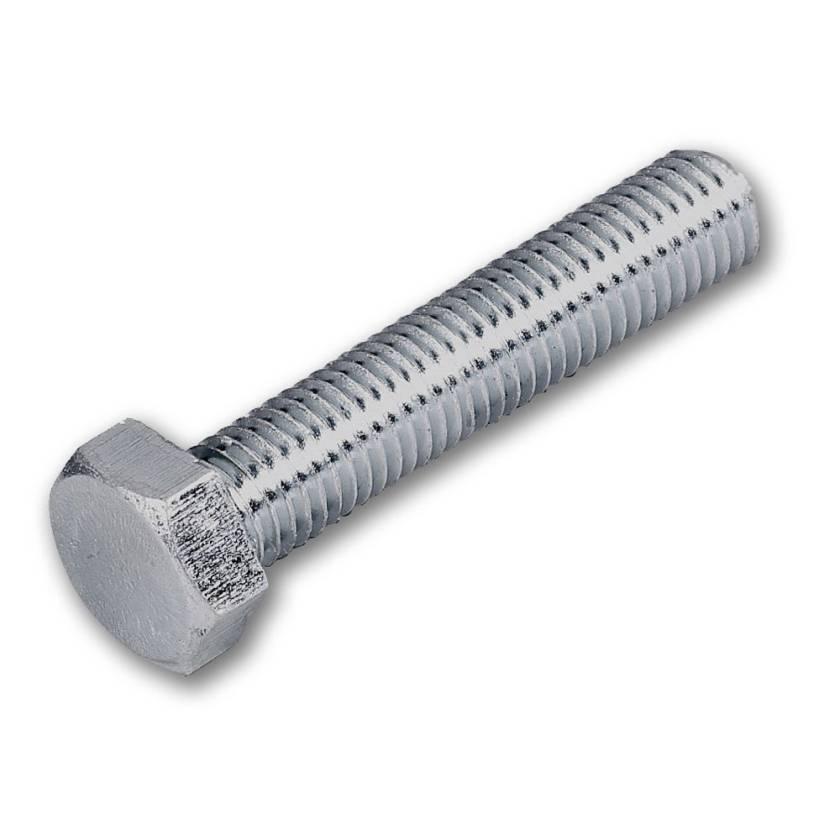
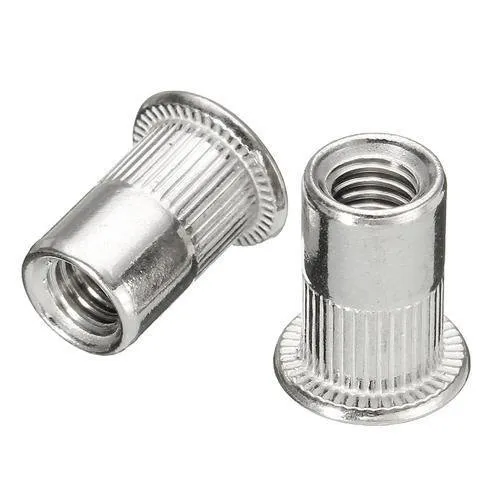
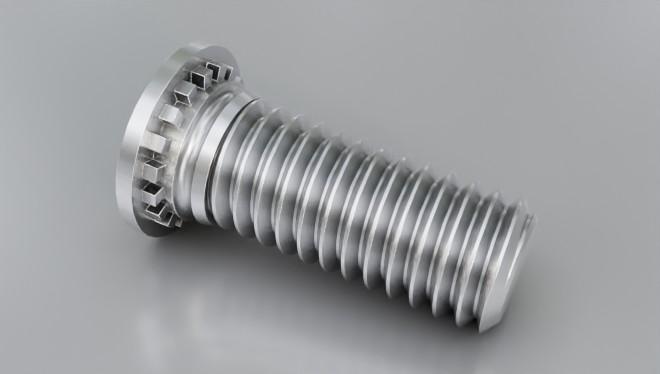
Self clinching fasteners are pressed into a punched or drilled hole in sheet metal, where a knurled or serrated shank displaces the surrounding material into an undercut and locks the fastener permanently in place. The result is a strong, flush, load-bearing thread in sheet as thin as about 0.8 mm, with no welding and no loose hardware on the assembly line.
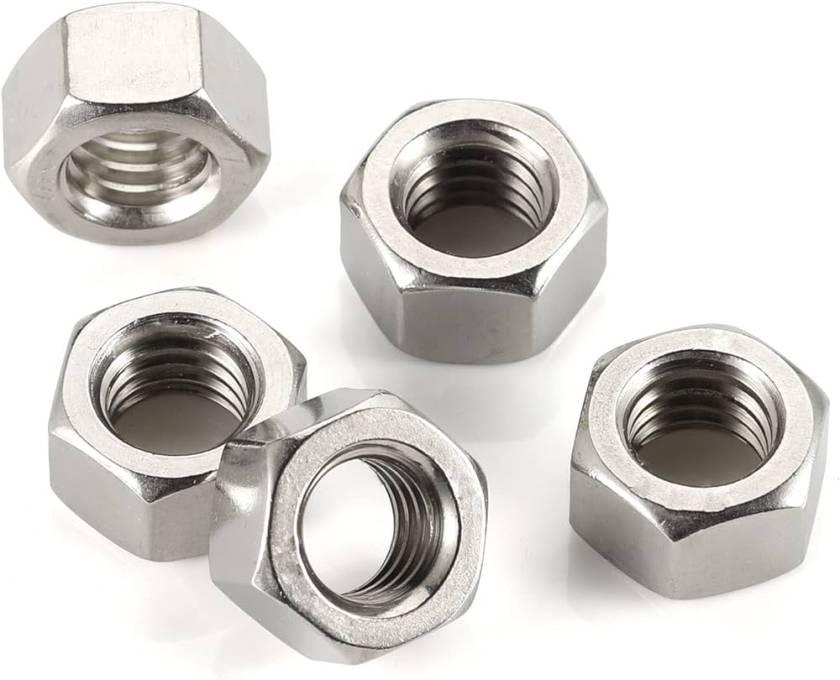
The main types are clinch nuts (including floating and locking variants), clinch studs, standoffs and spacers for mounting circuit boards and components, and flush-head studs for appearance-critical panels. They are commonly made in carbon steel, stainless steel and aluminium, and must be harder than the host sheet so that the sheet flows into the fastener — for example, hardened stainless fasteners are used in stainless sheet. Installation is done with a parallel-acting press rather than impact tools, so that the displacement is controlled and even.
Selection depends on the sheet material and thickness, minimum hole-to-edge distance, thread size and the push-out and torque-out values the joint needs. Shlok Trading Co. sources self clinching fasteners for electrical enclosures, electronics and sheet metal fabricators in production quantities — share your sheet specification and thread sizes and we will suggest suitable parts.
Self Clinching Fasteners FAQs
How are self clinching fasteners installed?
They are pressed squarely into a correctly sized hole using a parallel-acting press. Hammering or impact installation should be avoided because it gives uneven clinching.
Can I use them in stainless steel sheet?
Yes, but only with specially hardened stainless fasteners. A standard fastener will not be harder than the stainless sheet and will not clinch properly.
What is the difference between a clinch nut and a rivet nut?
A clinch nut is pressed into sheet from one side and requires press access to both sides, while a rivet nut is installed blind from one side only.
Need Self Clinching Fasteners?
Share your grade, size and quantity requirements and our team will get back to you with availability and a quote.