Hex Fasteners
Hex fasteners — hex bolts, hex screws and hex nuts in carbon, alloy and stainless steel, supplied by Shlok Trading Co. to industrial buyers across India.
- Types
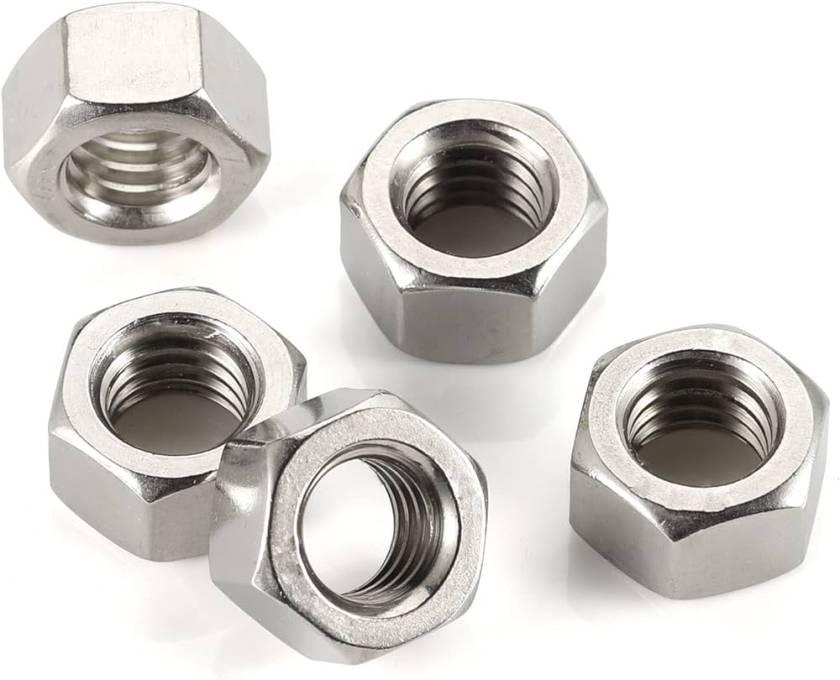
- Hex bolts, hex screws, hex flange bolts, hex nuts
- Materials
- Carbon steel, alloy steel, stainless steel (SS 304/316)
- Property classes
- 4.6, 8.8, 10.9, 12.9 (bolts); 8, 10, 12 (nuts)
- Standards
- IS 1363/1364, IS 1367, ISO 4014/4017, DIN 931/933, ASTM A193/A307
- Size range
- Typically M5 to M64; imperial sizes on request
- Finishes
- Plain, zinc plated, hot-dip galvanised, black oxide
About Hex Fasteners
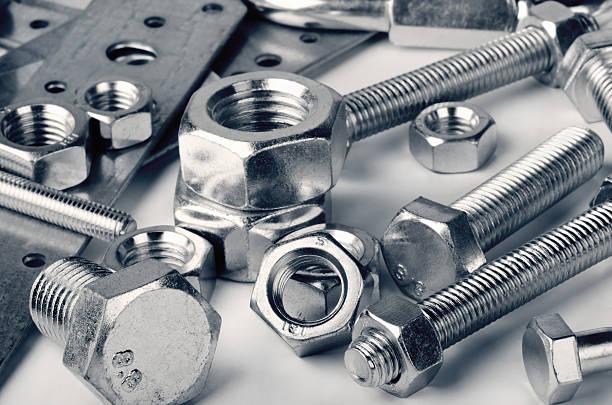
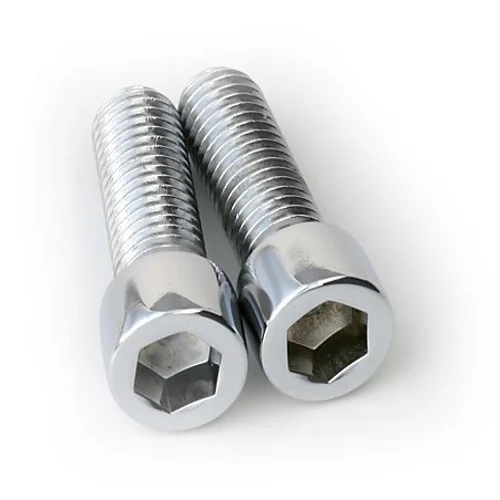
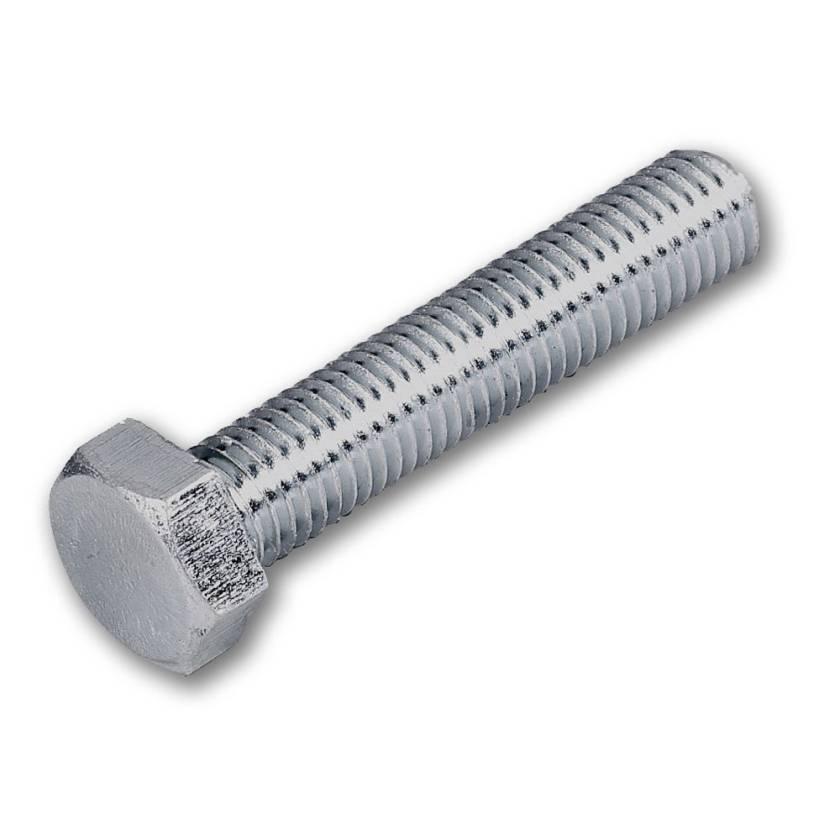
Hex fasteners are the most widely used threaded fasteners in industry, named for their six-sided heads or bodies that accept standard spanners, sockets and impact tools. The family covers hex head bolts (partially threaded), hex head screws (fully threaded), hex flange bolts and the matching hex nuts, and they are the default choice wherever a joint must be assembled, torqued and later dismantled.
Common property classes for carbon and alloy steel parts are 4.6, 8.8, 10.9 and 12.9 for bolts and 8, 10 and 12 for nuts, as defined in IS 1367 and ISO 898. Dimensions typically follow IS 1363/IS 1364, ISO 4014/4017 or DIN 931/933, with ASTM A193 and A307 grades used for imperial and pressure-related work. Surface finishes such as zinc plating, hot-dip galvanising and black oxide are selected based on the corrosion exposure of the joint.
When specifying hex fasteners, confirm the thread pitch (coarse or fine), the property class required by the joint design, the length and thread length, and the finish. Shlok Trading Co. sources hex fasteners in project and maintenance quantities to the standard, grade and finish on your drawing — send us your bill of materials for a quote.
Hex Fasteners FAQs
What is the difference between a hex bolt and a hex screw?
A hex bolt is partially threaded and is normally used with a nut, while a hex screw (set screw) is threaded along its full length and is often driven into a tapped hole. ISO 4014/DIN 931 covers bolts and ISO 4017/DIN 933 covers screws.
Which property class should I choose?
Class 8.8 suits most general engineering joints, while 10.9 and 12.9 are used for high-load or high-preload joints. Always follow the class specified by the equipment designer.
Do the nut and bolt grades need to match?
Yes. A nut should have a property class at least equal to the bolt's first number — for example, a class 8 nut with an 8.8 bolt — so the joint fails in the bolt shank rather than by stripping the thread.
Need Hex Fasteners?
Share your grade, size and quantity requirements and our team will get back to you with availability and a quote.