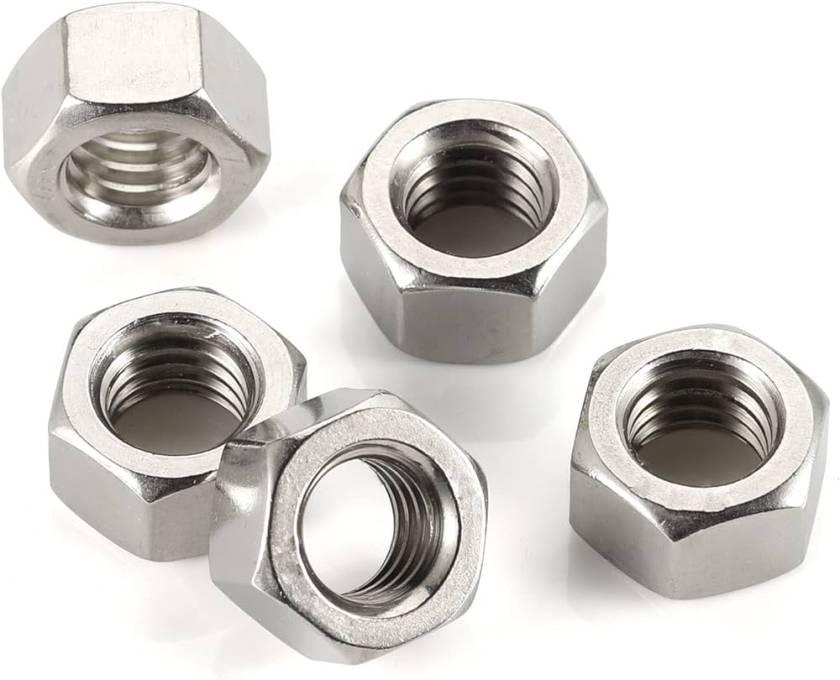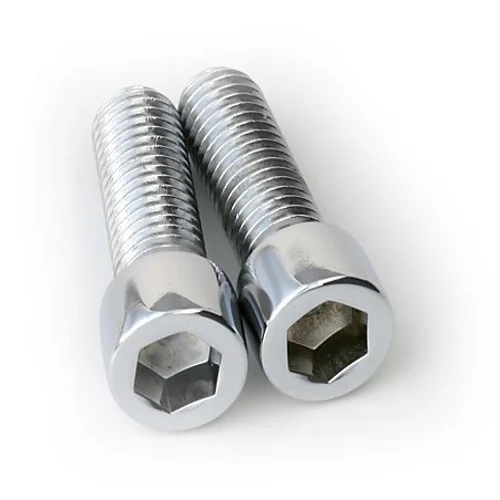
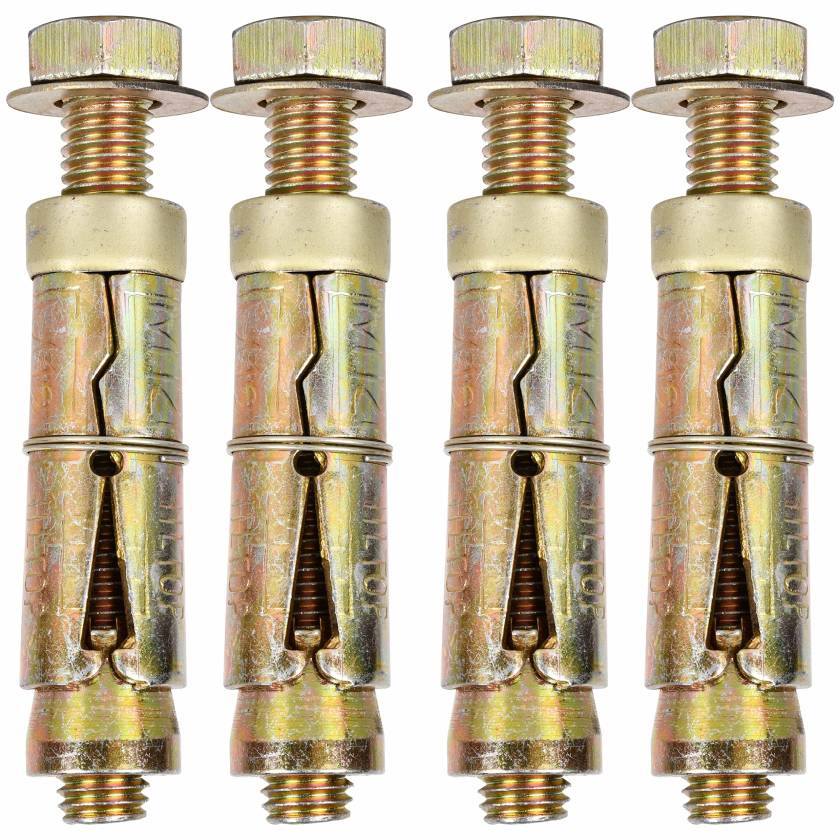
Anchor Fasteners
Anchor fasteners — wedge anchors, sleeve anchors, drop-in anchors and chemical anchors for fixing to concrete and masonry, from Shlok Trading Co.
- Types
- Wedge, sleeve, drop-in, hammer-drive, frame and chemical anchors
- Materials
- Zinc-plated steel, hot-dip galvanised steel, SS 304/316
- Size range
- Typically M6 to M24
- Base materials
- Concrete (cracked/uncracked), brick, block, stone
- Chemical systems
- Polyester, vinylester and epoxy resins
About Anchor Fasteners
Anchor fasteners are used to fix equipment, structures and services to concrete, brick and stone after the base material has been cast or built. Unlike foundation bolts, they are installed in a drilled hole and transfer load through friction, mechanical undercut or a bonded resin.
Mechanical anchors include wedge (through-bolt) anchors for heavy loads in solid concrete, sleeve anchors that suit both concrete and masonry, drop-in anchors set flush for overhead threaded rod, and hammer-drive and frame anchors for lighter fixings. Chemical anchors use injected or capsule resin around a threaded rod or rebar and are suitable for high loads, close edge distances and cracked concrete. Typical materials are zinc-plated carbon steel for dry indoor use, hot-dip galvanised steel for outdoor use, and SS 304/316 for corrosive or marine conditions.
Correct performance depends on hole diameter and depth, embedment, edge and spacing distances, and the condition and strength of the concrete, so manufacturers' installation data should always be followed. Shlok Trading Co. supplies anchor fasteners for MEP contractors, plant maintenance teams and fabricators — let us know the load, base material and environment, and we will help you shortlist the right anchor.
Anchor Fasteners FAQs
When should I use a chemical anchor instead of a wedge anchor?
Chemical anchors suit very high loads, cracked concrete, hollow masonry and fixings close to an edge, where expansion anchors could split the base material.
Can wedge anchors be used in brick?
Wedge anchors are designed for solid concrete. For brick and block, sleeve anchors or chemical anchors with sleeves are more reliable.
Why must the drilled hole be cleaned?
Drilling dust reduces friction and resin bond, which can significantly lower holding capacity. Blow and brush the hole before installing the anchor.
Need Anchor Fasteners?
Share your grade, size and quantity requirements and our team will get back to you with availability and a quote.