Alloy Steel Plates
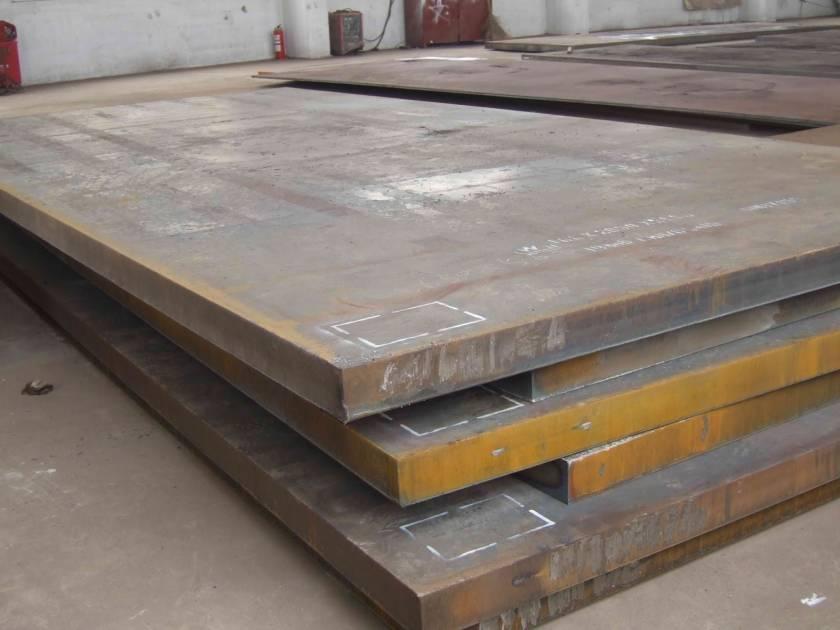
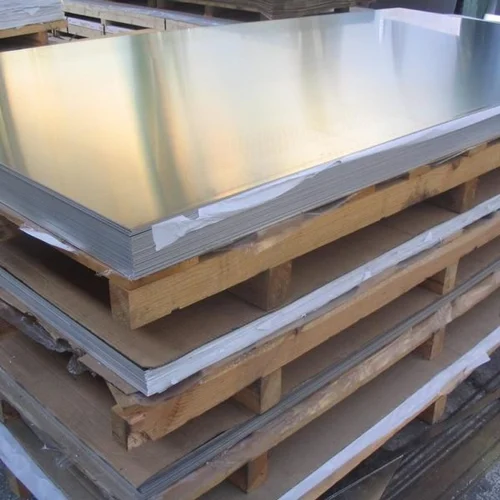
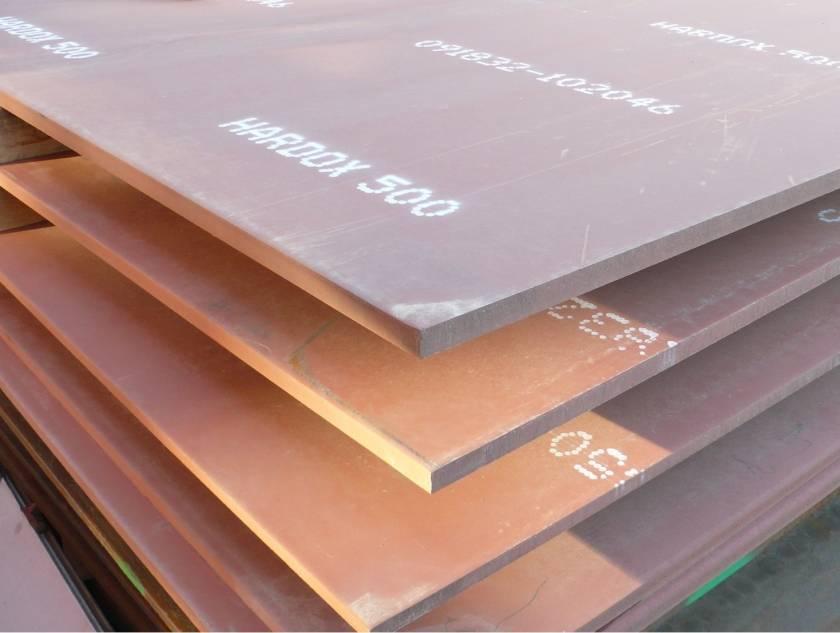
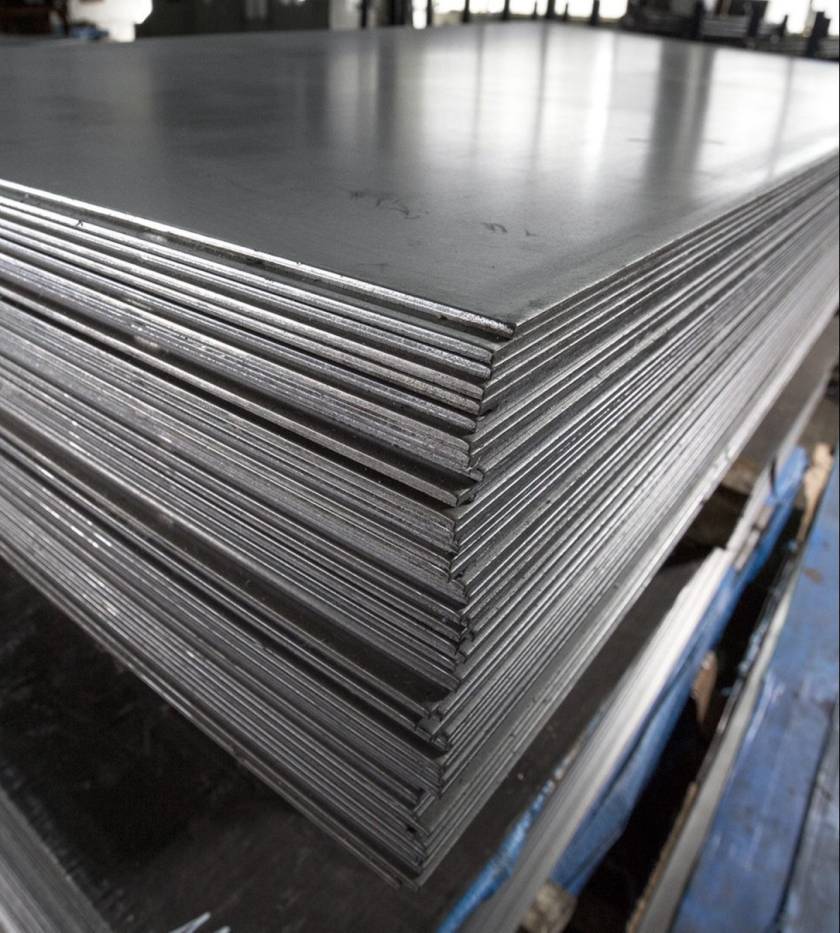
Alloy steel plates in chrome-moly ASTM A387 Gr 11/22, EN 10028-2 and high-strength quenched and tempered grades for pressure vessels and heavy structures.
- Pressure vessel grades
- ASTM A387 / SA 387 Gr 11, 22 (Cl 1/2), ASTM A204, EN 10028-2 16Mo3 / 13CrMo4-5 / 10CrMo9-10
- High-strength grades
- ASTM A514, EN 10025-6 S690QL
- Thickness
- Commonly 5 mm to 150 mm
- Delivery condition
- Normalised & tempered, quenched & tempered
- Documentation
- Mill test certificate (EN 10204 3.1 typical)
About Alloy Steel Plates
Alloy steel plates add elements such as chromium, molybdenum, nickel and vanadium to carbon steel to improve strength, toughness, or performance at high temperatures. They are used where ordinary structural or boiler plates would not be strong enough, or would not resist creep, oxidation or hydrogen attack in service.
For high-temperature pressure equipment, chrome-moly plates to ASTM A387 / ASME SA 387 — notably Grade 11 (1¼Cr–½Mo) and Grade 22 (2¼Cr–1Mo), in Class 1 or Class 2 strength — are widely used, along with molybdenum steels to ASTM A204 and EN 10028-2 grades such as 16Mo3, 13CrMo4-5 and 10CrMo9-10. For structural and lifting equipment, quenched-and-tempered high-strength plates such as ASTM A514 and EN 10025-6 S690QL combine high yield strength with good toughness, allowing lighter designs. Plates are supplied normalised and tempered or quenched and tempered, with mill test certificates. Welding these grades typically requires preheat and controlled heat input, and some require post-weld heat treatment.
Shlok Trading Co. sources alloy steel plates in a range of grades and thicknesses, including cut-to-size pieces. Send your grade, dimensions and testing requirements for a quotation.
Alloy Steel Plates FAQs
What does Class 1 and Class 2 mean for A387 plates?
They are strength levels of the same chemistry; Class 2 plates are heat treated to higher tensile and yield strength than Class 1.
Are alloy steel plates harder to weld than carbon steel?
Generally yes. They usually need preheat, controlled interpass temperatures and sometimes post-weld heat treatment to qualified procedures.
Can you supply plates cut to size?
Yes. Plates can be supplied in mill sizes or cut to your required dimensions.
Need Alloy Steel Plates?
Share your grade, size and quantity requirements and our team will get back to you with availability and a quote.